







Search Results for: Salty Mocha

Mocha Coffee Definition Explained: How to Make a Salty Mocha and Its Key Differences from a Latte
In the genealogy of Italian coffee, mocha occupies a unique position through the combination of chocolate and coffee. Chocolate gives coffee a fuller range of taste layers and adds a sweet smoothness to the aroma. In autumn and winter, holding a cup of hot mocha warms you from the palm of your hand straight to the bottom of your heart. But the meaning of mocha is not singular: it refers both to the historical origins of the Yemeni port of Mocha, and to a flavored coffee with chocolate added, as well as to a rich, intense version extracted with a moka pot. In addition, salted mocha, as a popular variant in recent years, adds salt on top of sweetness, bringing a completely different flavor experience. Mocha and latte may seem similar, but in fact there are clear distinctions in formula ratios and taste direction. This article will systematically sort out the relevant knowledge about mocha coffee, from definitions and preparation methods to comparative differences, and attach specific parameter recommendations from the Front Street brand. [more…]
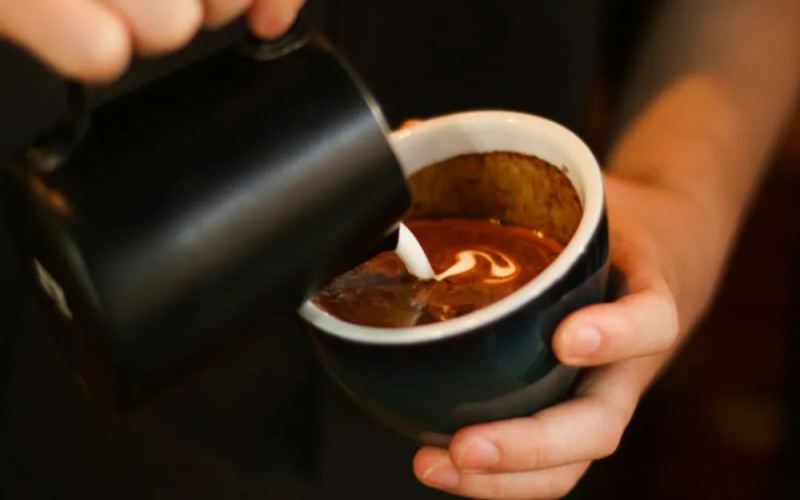
The Complete Guide to Making a Salty Mocha Coffee: A Detailed Tutorial from Purifying Milk to Both Hot and Cold Versions
Mocha coffee is richer in flavor and sweeter in aroma thanks to chocolate, and in recent years a variant called "Salted Mocha" has gone viral online. After trying it personally, Front Street Coffee found it truly excellent, so we've put together this complete tutorial. The article will detail the ingredient preparation for a Salted Mocha, including purified milk that takes a full day to make, as well as the pairing of espresso, chocolate sauce, unsweetened cocoa powder, and salt. The preparation section covers both hot and iced versions of the Salted Mocha—the former uses a tea whisk for stirring and steaming milk for latte art, while the latter is shaken in a cocktail shaker for an icy, rich experience. Throughout, Front Street Sunflower·Warm Sun blend coffee beans are used, which pair perfectly with the chocolate flavor. [more…]

Salted Mocha Coffee Recipe Tutorial: A Detailed Guide to Hot and Iced Versions, Plus How Mocha, Latte, and Cappuccino Differ
Mocha coffee has evolved from the classic version into many new forms, among which the "salted mocha" has rapidly gained popularity in the coffee world in recent years. Simply adding a pinch of salt to the traditional mocha recipe can make the sweetness more prominent and the aroma more vivid, and the interwoven salty-sweet flavor is deeply loved by modern consumers. In this article, Front Street will provide a detailed introduction to two methods of making salted mocha—hot and iced—including ingredient preparation, coffee bean selection suggestions, specific ratios, and operating steps. It will also explain the differences between mocha latte and cappuccino, helping coffee enthusiasts easily recreate this beverage at home. [more…]
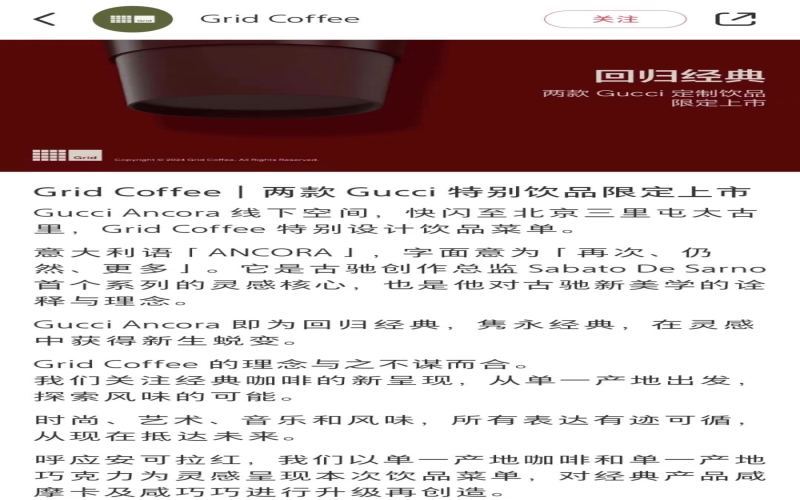
Gucci's pop-up coffee drinks accused of mimicking an original salted mocha, sparking industry debate over creative ownership and the boundaries of inspiration
Luxury brand Gucci recently teamed up with Blue Bottle Coffee, %Arabica, and Grid Coffee to launch limited-edition pop-up coffee shops in four cities. Among them, the Beijing stop's collaboration with Grid Coffee produced the "Single-Origin Salted Mocha" and "Single-Origin Salted Chocolate," which sparked widespread discussion both inside and outside the industry. An independent coffee shop owner in Beijing publicly stated that the salted mocha among Gucci's limited-edition drinks is suspected of copying her signature product, which she developed in 2020 and officially launched in 2022 with Bingboke as its base. The incident quickly escalated, with voices supporting originality and those believing it was purely a creative coincidence rising and falling in turn. This article will sort out the sequence of events, present multiple perspectives, and explore the copyright dilemmas and market implications of creative coffee drinks. [more…]
Can cheese be integrated into an Italian-style milk coffee? A step-by-step guide to making a savory cheese latte special.
In the depth of winter, nothing is more longed for than a steaming cup of specialty latte. After chocolate mocha, Spanish condensed milk latte, and apple cinnamon latte have taken their turns in the spotlight, coffee lovers have set their sights on an ingredient that seems completely unrelated—cheese. The rich creamy aroma and distinctive salty umami of cheese happen to fill the gap in body and complexity that latte needs. This article focuses on salted cheese latte, starting with why cheese is suited for coffee, then explaining the approach to selecting ingredients, and finally providing complete step-by-step instructions along with Front Street Coffee's bean recommendations, so you can recreate a cheese specialty drink with interwoven salty and sweet notes and a multidimensional mouthfeel right at home. [more…]
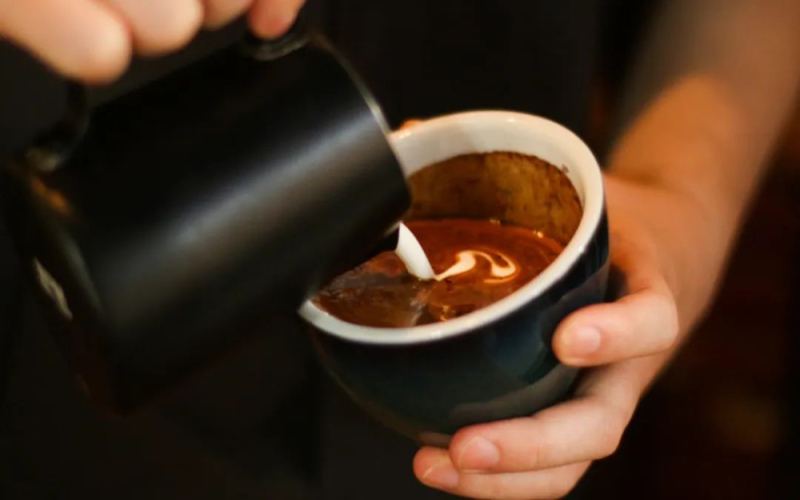
Why Is Mocha Coffee Gradually Fading Out of Coffee Shops? A Full Breakdown of Hot and Iced Salted Mocha Recipes
Mocha coffee was once a classic menu item alongside lattes and cappuccinos in Italian-style coffeehouses, and a favorite of many coffee lovers. However, many specialty coffee shops today no longer feature mocha as a main offering, and some have even removed it from their menus, replaced by products more favored by today's consumers, such as dirty coffee and oat milk lattes. Is mocha really about to disappear from coffee shops? Actually, that is not the case—while traditional mocha is no longer popular, its variant "salted mocha" has risen rapidly and become a hot product in the coffee world in recent years. This article will provide a complete guide to making salted mocha, from ingredient preparation and coffee bean selection to both hot and iced versions, and explain why it is more popular than traditional mocha. [more…]

The Magic of Adding Salt to Coffee: The Practical Principles Behind Reducing Bitterness, Enhancing Sweetness, and Improving Smoothness
Adding flavorings to coffee is nothing new—sugar and dairy have long been common pairings—but the addition of salt surprises many people. In fact, thanks to its unique chemical and taste properties, salt can play multiple roles in coffee: from suppressing bitterness and enhancing sweetness and positive flavors, to reducing astringency and improving smoothness, and even adding complexity by highlighting salty notes. This article systematically outlines the various effects of adding salt to coffee and their underlying principles, and highlights precautions for its use, helping enthusiasts try this method more rationally. [more…]
How Long is the Freshness Period of Green Coffee Beans? Distinguishing New Beans, Old Beans, Aged Beans, and Vintage Beans, and Key Storage Points
Many coffee enthusiasts know that roasted beans should be drunk fresh, but green beans also have their own levels of freshness. Beans harvested in the current year are called new crop, those from the previous year are old crop, and those stored for more than a year are aged beans. The moisture content of green beans directly affects roasting difficulty and flavor performance. Washed beans usually range between 11.5% and 12.5%, wet-hulled Mandheling can reach 13%, and sun-dried Mocha varies widely. Beyond the usual freshness changes, there are also deliberately extended aging processes and monsoon-aged weathered coffees. This article focuses on the freshness classification of green beans, differences in moisture content, methods for judging appearance and aroma, and the handling logic behind aged beans and monsoon beans, to help you make more accurate judgments when buying and storing. [more…]
Why Does Coffee Taste Salty? Analyzing the Sources of Saltiness from Processing Method and Bean Variety to Brewing, and the Reasons Espresso Tastes Salty
When drinking coffee, you may occasionally encounter a salty taste. This is not an illusion, nor is there anything wrong with your sense of taste. Coffee itself contains four basic tastes: sour, sweet, bitter, and salty, which balance each other out. Once sweetness is insufficient, saltiness tends to emerge. The sources of saltiness are quite complex, potentially involving the processing method, coffee bean variety and altitude, defective beans, brewing water, roast level and freshness, as well as extraction technique, among other factors. Among these, espresso tends to have a more pronounced salty sensation due to the relationship between taste distribution and concentration. This article will go through the causes of saltiness one by one, while retaining Front Street brand recommendations, to help coffee enthusiasts understand and try to avoid brewing a cup of coffee with a salty taste. [more…]

Why Does Coffee Taste Salty After Extraction? Analyzing the Causes of Salty Flavors in Brewing and the Specific Signs of Under-Extraction
Saltiness in coffee has always been present, mainly coming from the various minerals contained in the bean itself, but because its proportion is low it is often masked by other flavors. When a cup of coffee shows a noticeable salty taste, it often means there is a problem with quality or the extraction process. This article, from the perspective of Front Street, sorts out the sources of saltiness, analyzes how factors such as the growing environment and defective beans bring saltiness to the surface, and explains what characteristics coffee shows when it is under-extracted, helping enthusiasts judge brewing conditions more accurately. [more…]

A Comprehensive Guide to the New SCAA Coffee Flavor Wheel: From Sour, Bitter, Sweet, and Salty to 85 Flavor Layers
The update to the coffee flavor wheel has made the tasting system more complete, but many people still feel confused when faced with descriptions like citrus, berries, and nuts. In daily brewing, Front Street Coffee recommends beans from different regions based on guests' taste preferences, while accurately identifying flavors requires systematic training. This article starts with the four major taste spectrums—sour, sweet, bitter, and salty—and, combined with the complete classification of the new flavor wheel, interprets one by one the specific expressions of floral, fruity, herbal, nutty and cacao, sweet, spice, sour and fermented, alcoholic fermentation, roasted, and other categories, helping coffee enthusiasts build a clear framework for flavor perception. [more…]

Gu Ming's new plum lemonade slammed for being too salty—does takeout require customers to add the plums themselves?
On a scorching summer day, a refreshing glass of ice-cold lemonade should be the perfect way to beat the heat, but Good-Me's recently launched "Preserved Plum Lemonade" has left many consumers frowning with every sip. This new product, described as a "still version of salted lemon Seven-Up," combines perfume lemons, calamansi, and pickled preserved plums to create a sweet-and-sour, ice-cold selling point, and its appearance is indeed refreshing and enticing. Yet once it hits the palate, the saltiness of the preserved plum immediately takes over the taste buds, and after prolonged steeping, the bitterness of the lemon peel layers on top of that, earning it the nickname among netizens as "the rising star of the dark cuisine world." Even more surprisingly, in some delivery orders the preserved plums are packaged separately, requiring customers to add them themselves, which has caused considerable confusion. Front Street Coffee takes you through the real performance of this controversial new product. [more…]

Why Do Pour-Over, Espresso, and Cold Brew Coffee Taste Salty? Analyzing the Causes and Adjustment Ideas for Cold Brew's Weak Flavor
The taste of coffee does not have only three dimensions—sourness, sweetness, and bitterness. Saltiness also objectively exists in the coffee liquid, but it is usually masked by other flavors. When an obvious salty taste appears in a pour-over, espresso, or cold brew coffee, it often means that there is a problem in one of the links: bean quality, water quality, or brewing parameters. Starting from the daily communication cases of Front Street Coffee, this article sorts out the sources of saltiness in coffee, analyzes the two typical situations of under-extraction and excessively high concentration, and gives judgment methods and directions for parameter adjustment. At the same time, in response to the problem that cold brew coffee tastes too weak, the article also provides bean selection suggestions to help coffee lovers make a cup of cold brew with clear flavor and balanced acidity and sweetness in summer. [more…]
Specialty Coffee Bean Flavor and Variety Analysis: The Four Taste Profiles of Sour, Bitter, Sweet, and Salty, and Coffee Choices Suitable for the Elderly
Walking into Front Street Coffee (FrontStreet Coffee), faced with more than 50 kinds of coffee beans on the menu, many first-time visitors often don't know where to start. How exactly are coffee flavors described? What are the characteristics of the four major taste spectra: sour, bitter, sweet, and salty? Where do the flavor differences among beans from the world's three major coffee-producing regions come from? And which groups of people are suited to the three major varieties Arabica, Robusta, and Liberica? Starting from Front Street Coffee's tasting experience, this article systematically sorts out the logic behind the formation of coffee flavors and the characteristics of the varieties, and offers drinking suggestions for older coffee lovers, helping you find your own cup in the dazzling world of coffee. [more…]

How to Make Cold Brew Coffee Taste Great? A Complete Parameter Guide from Coffee-to-Water Ratio and Grind Size to Steeping Time
Cold brew coffee seems like it only requires mixing coffee grounds and water, then letting it steep in the refrigerator to be done. The process is simple, but in practice, quite a few people mess it up. Some end up with cold brew that is both salty and overpowering, tasting like soy sauce — the problem often lies in the parameters. Water temperature, grind size, time, and ratio are the four major variables that determine flavor. This article starts from a typical case of failed cold brew, breaks down the causes of saltiness and excessive strength one by one, and offers Front Street Coffee's recommendations for coffee-to-water ratio, grind particle size distribution, and steeping time used in actual production, to help you consistently make a smooth, delicious pot of cold brew coffee. [more…]
Three Iced Coffee Drinks with Preserved Plums: Comparing the Flavors of Cold Brew, Sparkling Americano, and Iced Pour-Over
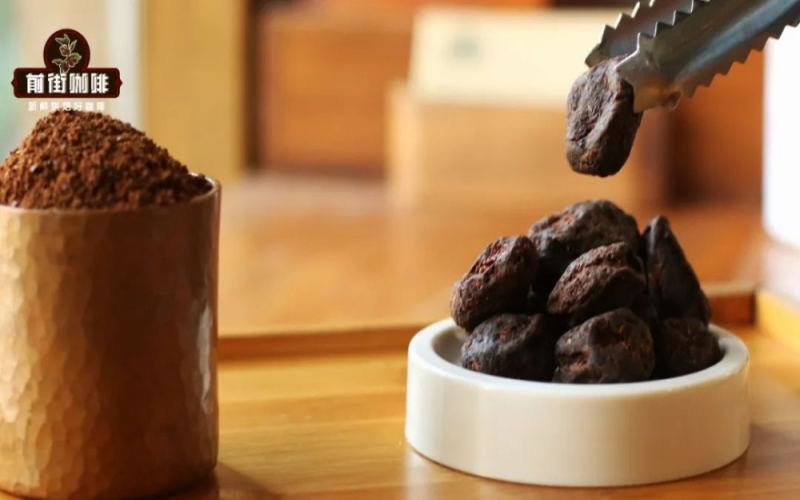
The sweet, sour, and salty childhood snack of preserved plums actually makes frequent appearances in the world of coffee, too. From the dry aroma associations of Kenyan washed beans to the finishing touch baristas add when developing specialty drinks, the pairing of preserved plums with iced coffee is drawing attention from more and more enthusiasts. Since preserved plums are mostly dried and cured, heating or prolonged steeping releases a strong salty-sour flavor, so Front Street believes they are better suited to being combined with iced coffee. This article compiles three preserved plum iced coffee recipes you can make at home: preserved plum cold brew, preserved plum sparkling Americano, and preserved plum iced pour-over, using Panama sun-dried Butterfly, Sunflower Warm Sun blend, and Elida sun-dried Catuai respectively, with specific parameters and flavor descriptions included for readers with different taste preferences to refer to and choose from. [more…]
Three Ways to Make Plum Iced Americano: A Flavor Comparison of Cold Brew, Sparkling, and Iced Pour-Over
As a classic snack that weaves together sour, sweet, and salty notes, preserved plum has increasingly found its way into specialty coffee drinks in recent years. Because preserved plums are cured and thus fairly firm in texture, heating or prolonged steeping draws out an intense salty-sour flavor, making them better suited to iced coffee than hot drinks. Front Street Coffee shares three ways to make preserved plum iced coffee: an easy cold brew, a sugar-free sparkling Americano, and a slightly experimental iced pour-over. Each method has its own considerations when it comes to bean selection, the amount of preserved plum, and extraction parameters, and each ultimately presents a different layering of flavors. If you'd like to try the collision of preserved plum and coffee at home, why not pick the one that suits you best from these three approaches. [more…]

Is There Really Umami in Coffee? Analyzing the Perception Mechanism and Tasting Misconceptions of the Fifth Taste
Sour, sweet, bitter, salty, and umami—among the five basic tastes, umami has always been a controversial topic in coffee. In the specialty coffee wave, "umami" occasionally appears in flavor descriptions, and the word has even been seen on the packaging of Front Street Coffee's Panama Geisha. Can coffee really taste umami? This article starts with the scientific origins of umami, sorts out the relationship between glutamate and taste thresholds, analyzes the essence of umami perception in coffee, and reveals how saltiness "disguises" itself as umami, helping you understand the complex layers of coffee flavor more accurately. [more…]

Dirty Coffee Making Tutorial | What Are the Differences Between a Dirty and an Iced Latte? Can You Make a Dirty Coffee with a Moka Pot?
Dirty coffee is espresso extracted over iced milk, creating a beautiful layered look. As time passes, the coffee liquid on top slowly encroaches on the pristine white milk, forming a lovely gradient inside the transparent glass, as if the pure white milk has been dirtied. Put simply, a Dirty coffee is a visually striking drink that [more…]
Luckin first launched a salted milk tea, "Xilin Gol Salted Milk Tea" — why did netizens from Inner Mongolia say outright they wouldn't buy it?
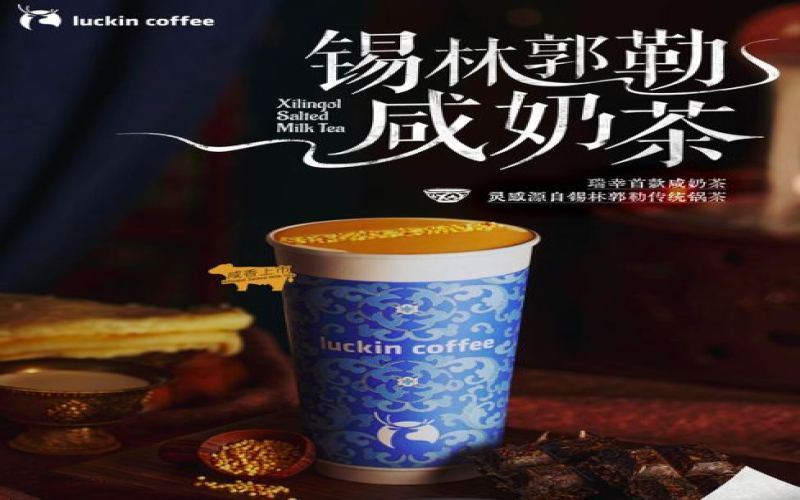
Luckin Coffee launched its first savory milk tea this week, "Xilingol Salted Milk Tea," inspired by the traditional pot tea of Inner Mongolia's Xilingol region, featuring a dark brick tea base and crispy roasted rice, among other ingredients. The new product quickly sparked a wave of curiosity among netizens eager to try it. However, reviews have been sharply divided: some consumers find the interplay of salty and sweet appealing, with rich notes of milk and tea and a delightful crunch from the roasted rice; others point out that the addition of plain syrup to the recipe noticeably mutes the salty flavor, questioning whether the drink lives up to its name. Inner Mongolian netizens in particular reacted strongly, saying the beverage is far removed from their hometown's traditional pot tea and bluntly stating it cannot represent the authentic flavor. This article compiles feedback from all sides to walk you through the ins and outs of this salted milk tea controversy. [more…]